The New Meaning of Digital Nomad: From Freelancing Freedom to Owning Digital Assets
The word “nomad” traditionally has two meanings:
- An unemployed drifter, someone without stable work.
- A nomadic tribe, moving with the grasslands and livestock.
In recent years, a new term has emerged: digital nomad. It refers to people who leverage the internet to work without being tied to a fixed place or schedule.
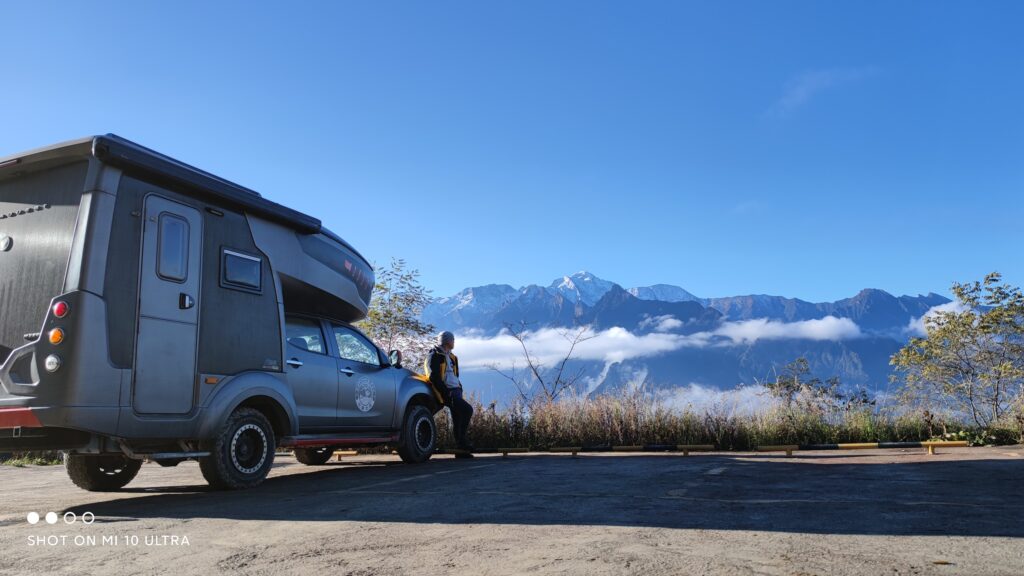
I am a typical example of this lifestyle. Since 2009, I have been working as a full-time freelancer. As long as I have an internet connection, I can work from anywhere, at any time. Thanks to this, I enjoy the freedom of traveling whenever I want—even working from my RV while on the road.
A New Perspective: Digital Nomads as Drifters in the Online World
Recently, however, I’ve come to see the term digital nomad in a new light. It can also mean drifting in the digital world. The key question is: in the online space, do you truly own your land, home, assets, and business?
In other words, do you have your own cloud server, website, software, or app that fully belongs to you? Just as in the physical world we say, “every family deserves a home, every farmer deserves land”, the same principle applies in the digital age.
The truth is, the number of “digital drifters” may be far greater online than in real life. Very few individuals—probably less than one in a thousand—own their own digital assets, platforms, or intellectual property. Most people live at the mercy of large platforms. And when these platforms change the rules, reduce monetization, or even cut off access, creators are instantly left homeless, drifting once again.
Why Building Your Own Digital Assets Matters
That’s why I believe it is becoming more and more important to build your own independent digital assets. Even if your project is small in the beginning, if it belongs entirely to you, it becomes your territory. You won’t be exiled by platform policies. Instead, you will have autonomy, pricing power, and business control.
When I started freelancing back in 2009, I mainly helped clients build their digital homes—websites and online operations. But since 2017, I’ve been focusing on creating my own platforms. This shift has made me realize the profound importance of owning digital assets in the online world.
In fact, this may become the biggest source of security in the digital age—perhaps even more valuable than owning a physical house in the real world.
My Case Studies: From Client Work to Building My Own Platforms
A turning point in my digital nomad journey came when I began working with global clients:
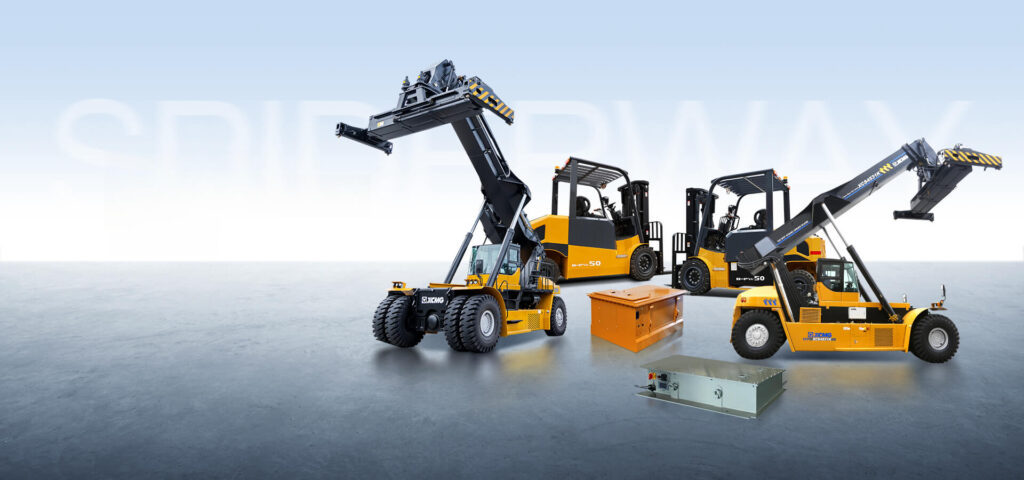
- SPIDERWAY, a professional manufacturer of LFP lithium batteries in China. I am responsible for their digital marketing strategy, including multilingual SEO, content marketing, and lead generation for their B2B clients in the electric vehicle and industrial battery markets. They pay me a generous monthly retainer plus sales commissions, without restricting my time or location.
- A European model ship brand, where I manage their online marketing and e-commerce growth. Through SEO, content, and targeted campaigns, I help them reach hobbyists and collectors across Europe. Again, the business model gives me location freedom and performance-based rewards.
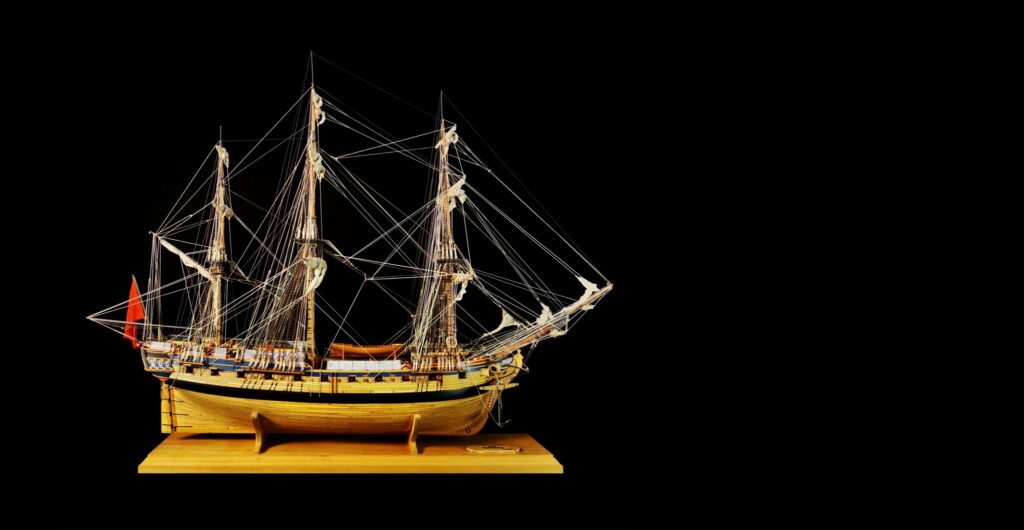
Both projects provide me with financial stability and independence. More importantly, they allowed me to take the first step of freelancing freedom—working with high-value clients while enjoying location independence.
On this foundation, I then invested in building my own digital platforms, which generate passive income and form the basis of my long-term digital assets. This is, for me, the ultimate state of freedom—a combination of freelancing expertise and independent online ownership.
Redefining the Digital Nomad
If in the past, digital nomad referred to someone who used digital skills to work and travel freely in the physical world, then in the future, it may also mean:
👉 Someone who, in the digital world, either owns no business or industry and remains a drifter, or
👉 Someone who builds and owns their independent digital platforms and assets, achieving true digital sovereignty.
Frequently Asked Questions (FAQ)
1. Why is platform ownership important for digital nomads?
Because platforms can change policies anytime—reducing revenue or even banning accounts. Owning your website, server, or digital product ensures independence, long-term security, and control over your business.
2. How can freelancers start building digital assets?
Begin with small but essential steps:
- Register your own domain name.
- Build a personal or business website.
- Create original content and optimize it with SEO.
- Gradually develop digital products, online courses, or SaaS tools that belong fully to you.
3. What role did client projects play in your journey?
Working with clients like SPIDERWAY and a European model ship brand gave me financial stability and valuable experience. Client projects can be the first step, while building your own platform should be the long-term goal.
4. Can digital nomads truly achieve passive income?
Yes, but it requires building systems and assets. Examples include affiliate websites, e-learning platforms, software subscriptions, or e-commerce brands. Passive income comes from digital leverage, not just remote freelancing.
Final Thoughts
The digital world is rapidly reshaping our lives. To avoid becoming a “digital drifter,” start building your own website, server, app, or intellectual property. Even small steps toward digital ownership will give you independence, security, and long-term freedom.
In the new era, being a digital nomad should not only mean working remotely while traveling, but also owning your piece of the digital world.
Author Profile
- Freely.work Founder,15 years as a freelancer/digital nomad.Marketing consultant for Fortune Global 500 companies, digital marketing expert.
Latest entries
 MARKETINGNovember 2, 2025Independent Websites: The Foundation of the Internet and the AI Era
 Digital NomadSeptember 30, 2025The Secret to Wealth in The Almanack of Naval Ravikant – Productize Yourself
 Digital NomadSeptember 30, 2025The Power of Asynchronous Creation: How to Escape the Net of Time in the Digital Economy
 Digital NomadSeptember 30, 2025The New Meaning of Digital Nomad: From Freelancing Freedom to Owning Digital Assets