

Why You Should Translate Your Website Into Multiple Languages
Expanding a website into multiple languages is more than a branding exercise—it is a core growth strategy that improves search visibility, elevates user experience, and opens access to new markets. This lesson explores the strategic benefits of multilingual websites and explains how translation directly supports long-term SEO performance and global customer acquisition. 🌍
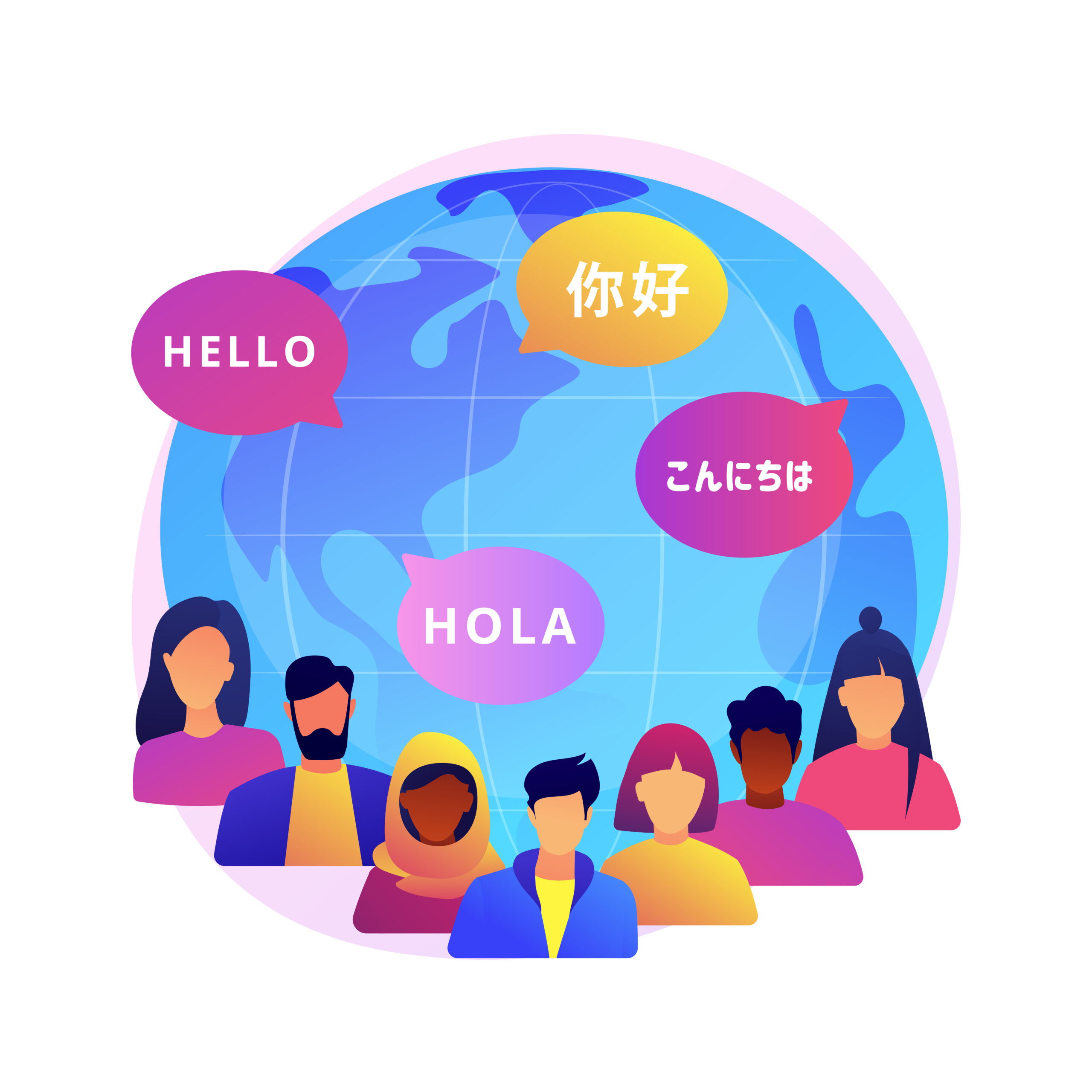
If you do not plan to expand into multilingual markets, you may skip courses related to translation topics.
1. Deliver a Better User Experience (UX)
When visitors land on a website in their native language, their trust increases and their decision-making becomes easier.
- Clearer understanding of product value
- Reduced bounce rate
- Higher engagement on key pages
- Stronger brand credibility

A multilingual interface ensures users feel respected and understood—an essential factor in conversion-driven digital experiences. 🧭
2. Multiply Your Search Engine Indexation with the Same Content
Translating existing pages creates multiple language versions of your core content. This gives search engines more pages to crawl, index, and rank, without needing to produce entirely new material.
For example:
- One English article → 1 URL
- Add Spanish, German, French, Japanese → 5 URLs
- All targeting different search markets and keyword clusters,Each additional language doubles your keyword indexing and traffic, naturally bringing more potential customers and sales opportunities.
This single effort produces 5X the search surface area, allowing your site to appear in many more SERPs worldwide. 📈
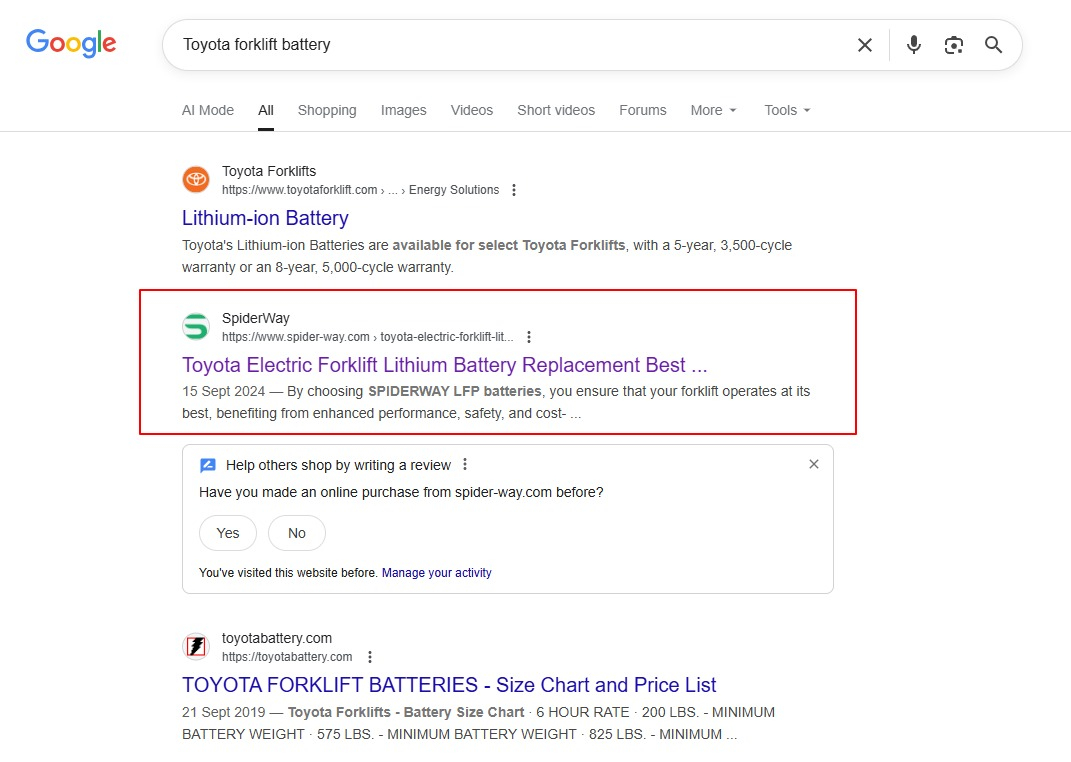
For instance, in this client case study, the search keyword “Toyota forklift battery” not only ranks well in English:
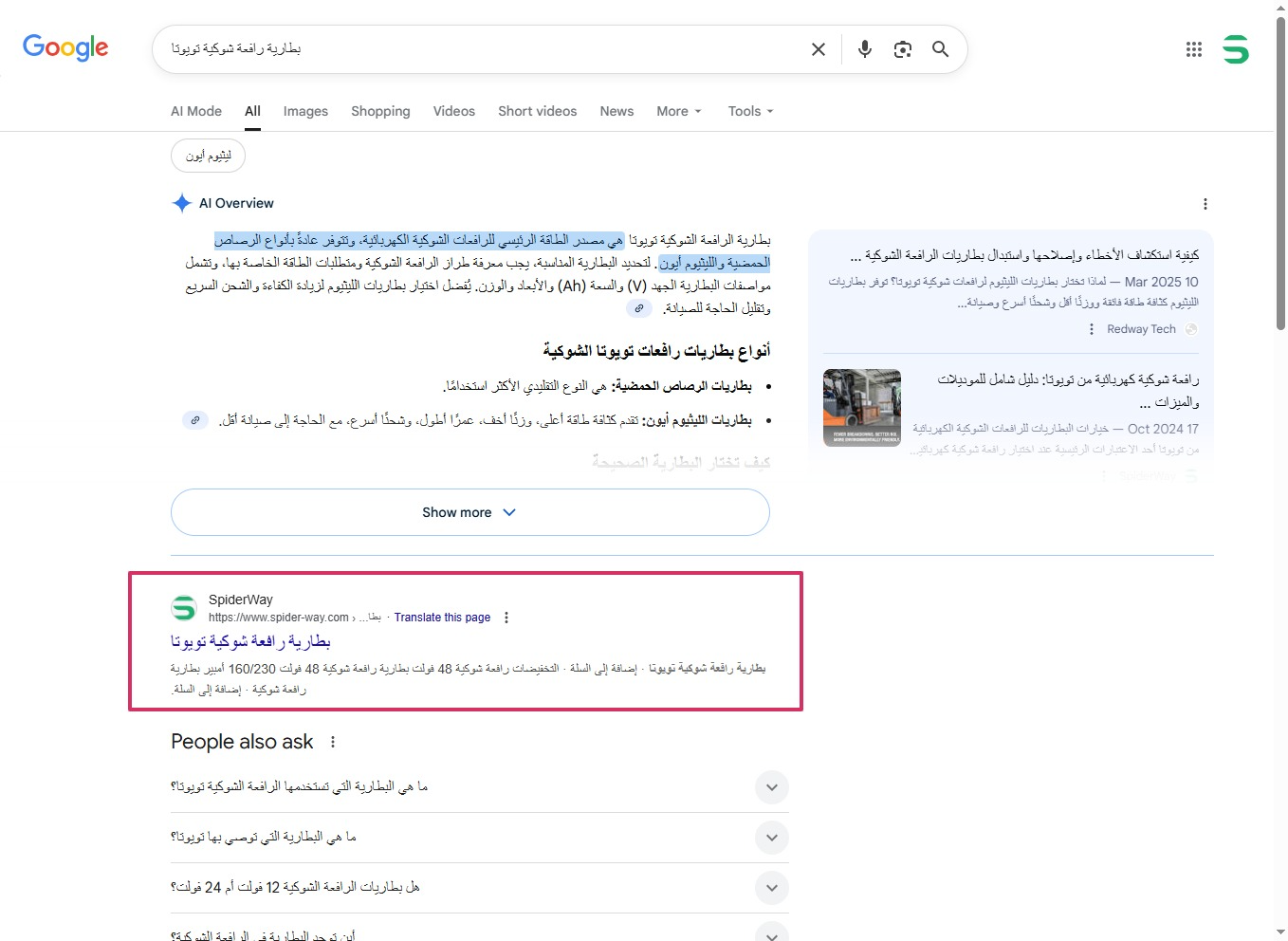
For instance, in this client case study, the Arabic keyword search (بطارية رافعة شوكية تويوتا) for Toyota forklift batteries also achieves strong rankings:
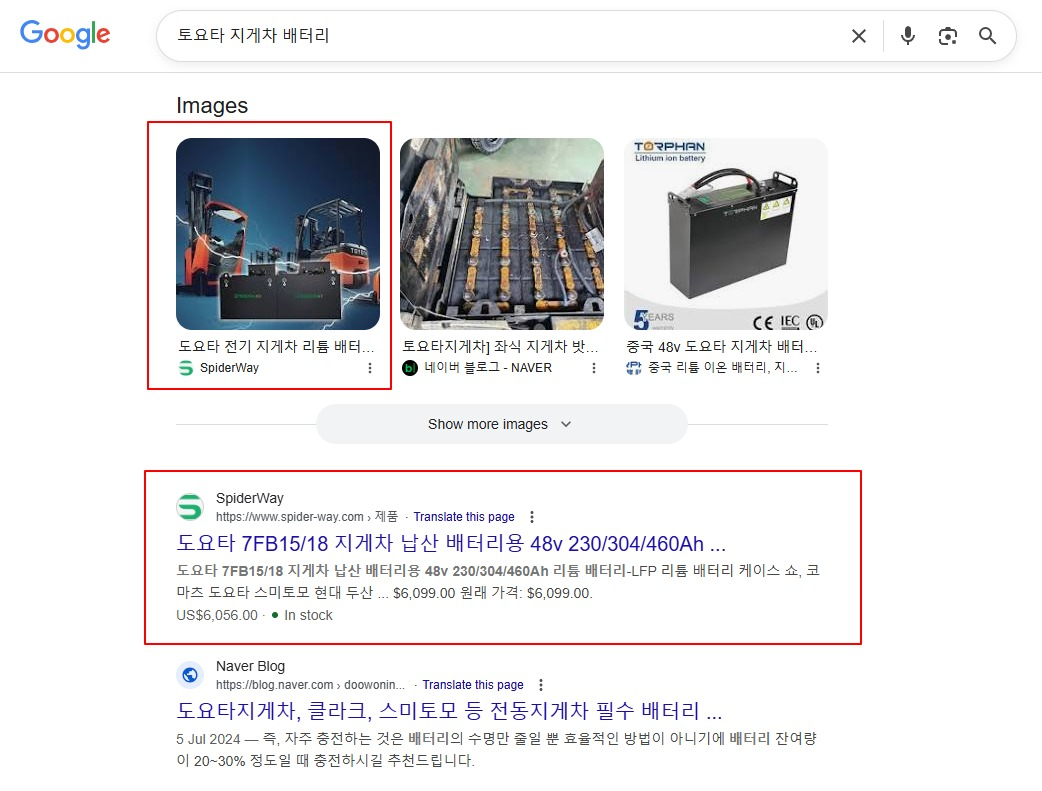
Languages like Korean and other less commonly taught languages are generally easier to achieve high rankings in:
Performance within AI question-answering systems will also improve accordingly:
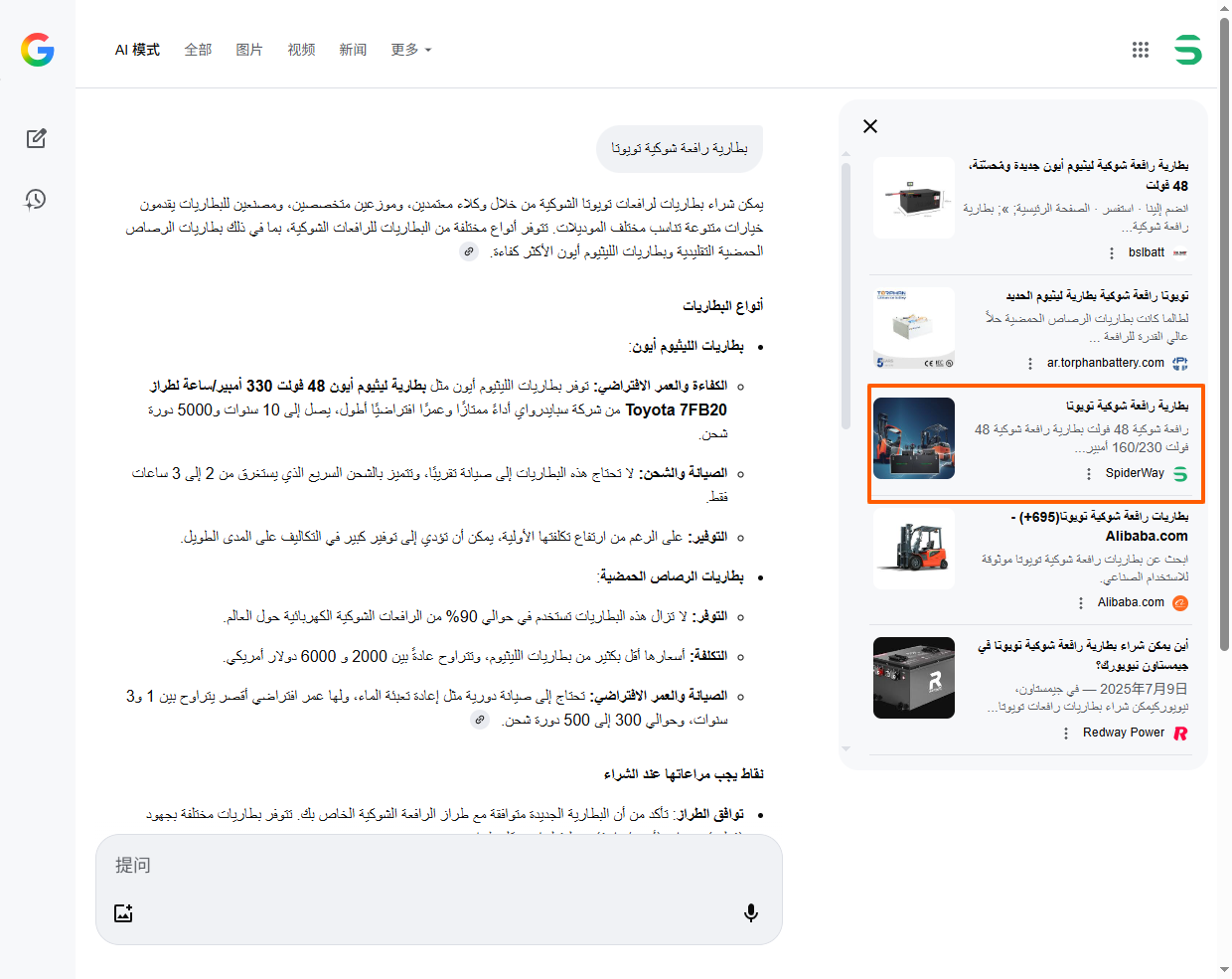
These languages have all generated tangible orders.
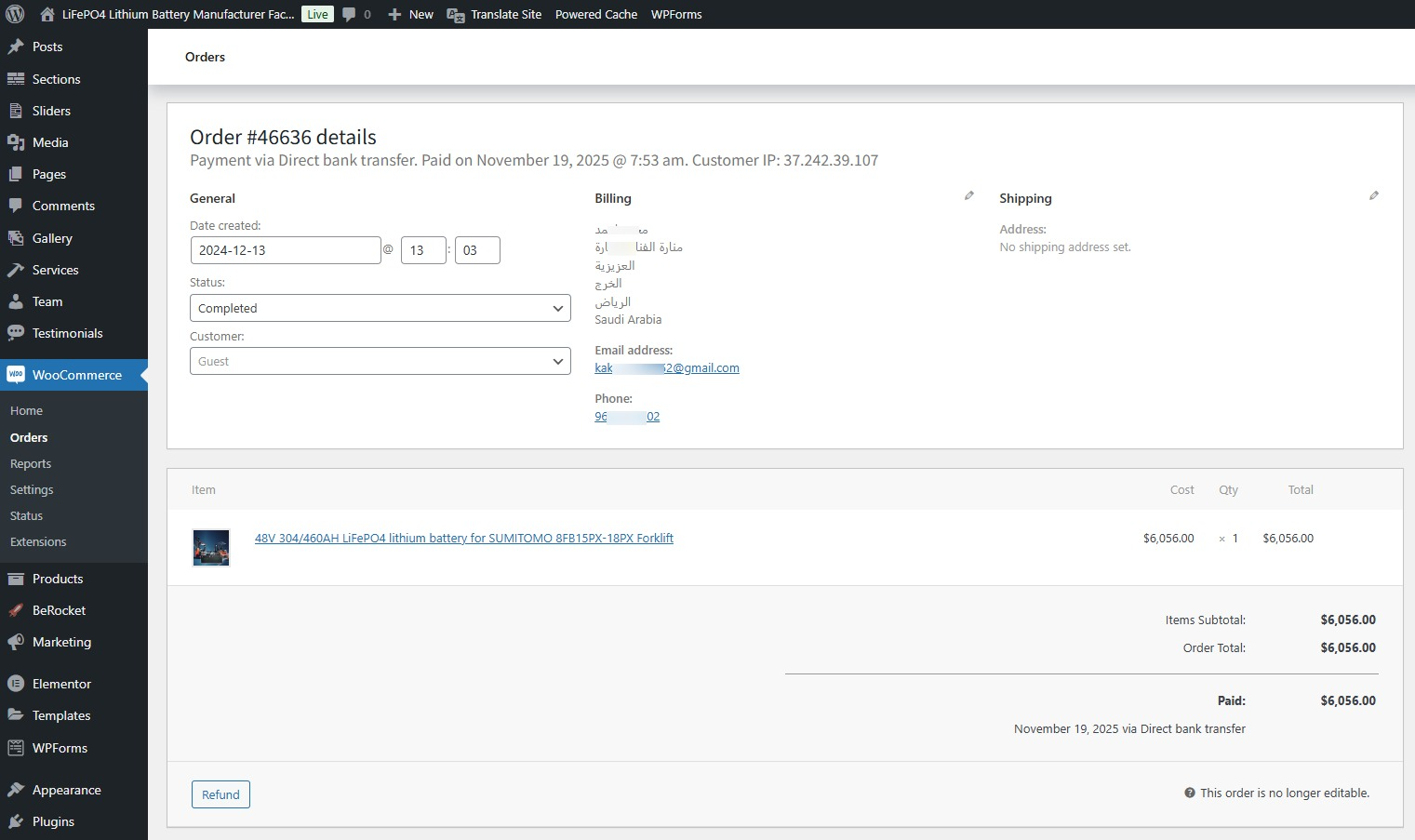
Therefore, if your business targets global markets, it is strongly recommended that you translate your content into the primary languages of your target markets alongside optimizing English content and search rankings. With the help of AI and translation plugins, this has become remarkably easy and cost-effective.
3. Reduce Keyword Competition in Search Engines
English keywords tend to be highly competitive. By translating your content into other languages, you target search terms with:
- Lower competition
- Lower CPC if running PPC campaigns,If you plan to run Google keyword ads, purchasing keywords in smaller languages will also be significantly cheaper.
- Higher ranking potential
- Faster SEO results
Example:
- “Lithium Forklift battery” in English = high competition
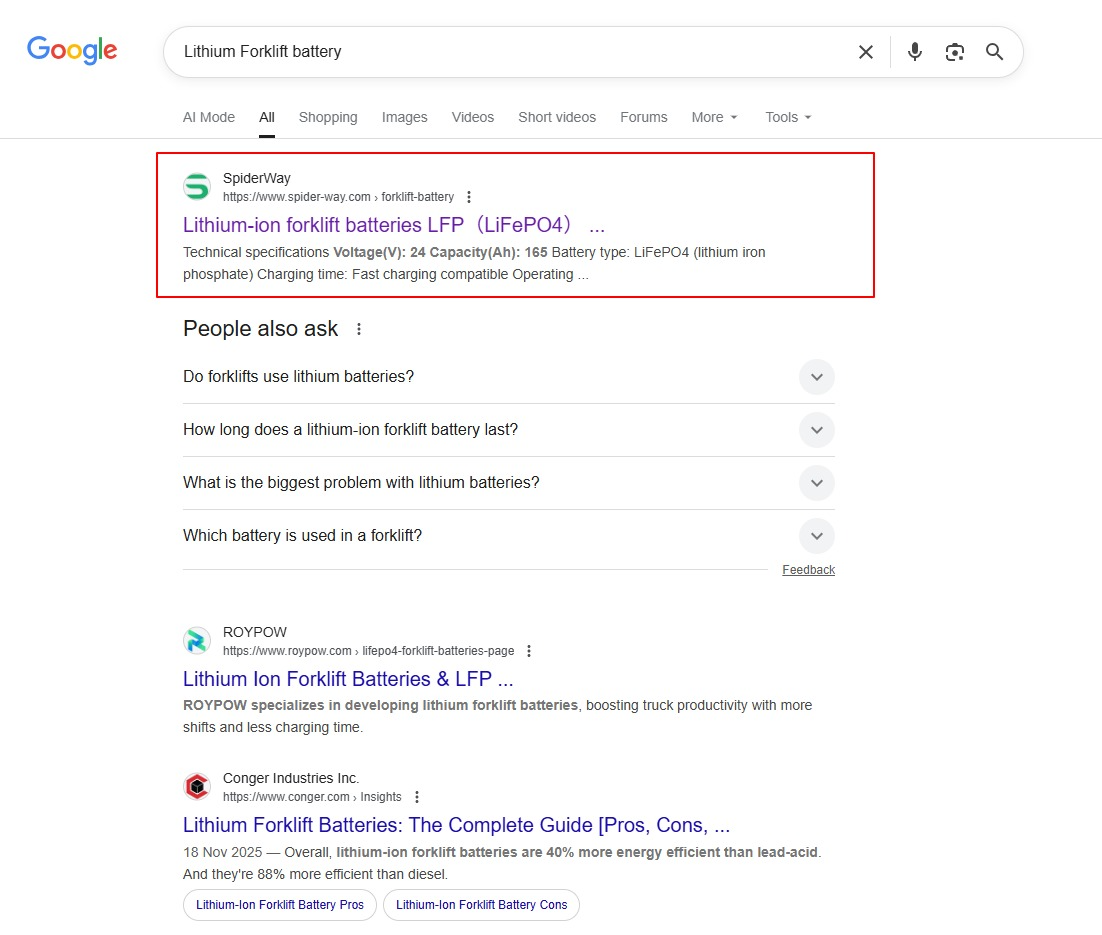
- “بطارية ليثيوم للرافعات الشوكية”, “리튬 지게차 배터리”, “リチウムフォークリフトバッテリー” in other languages = significantly less competitive
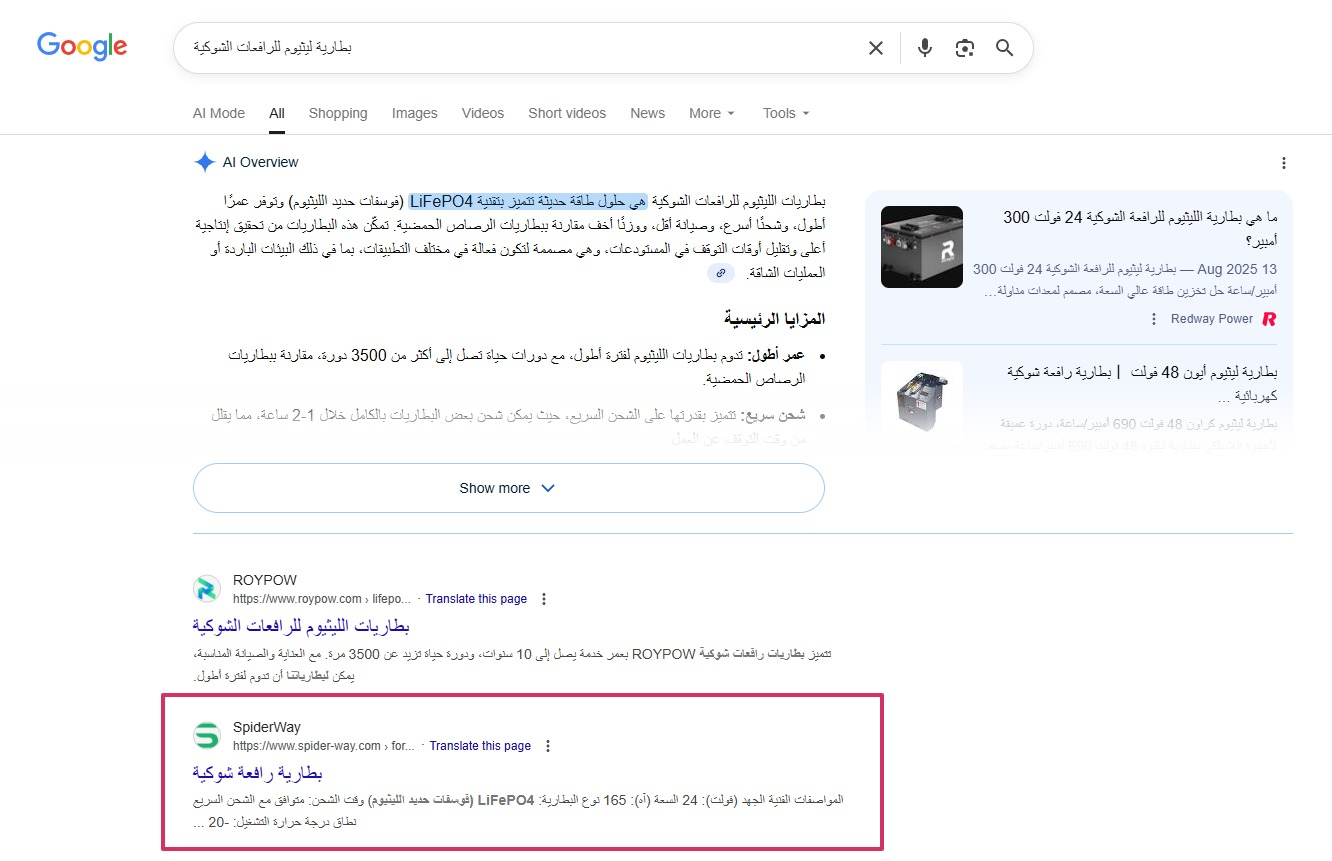
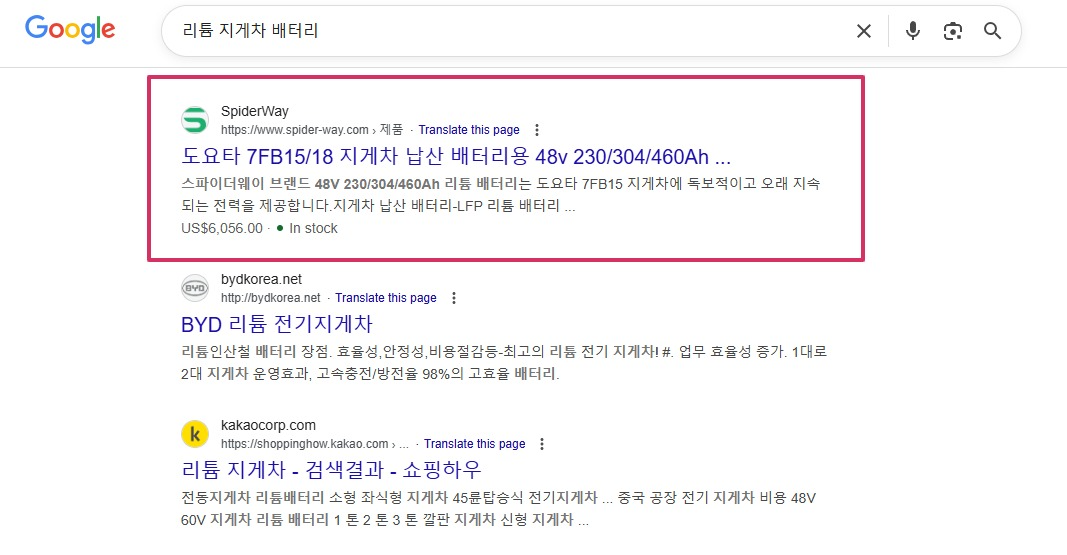
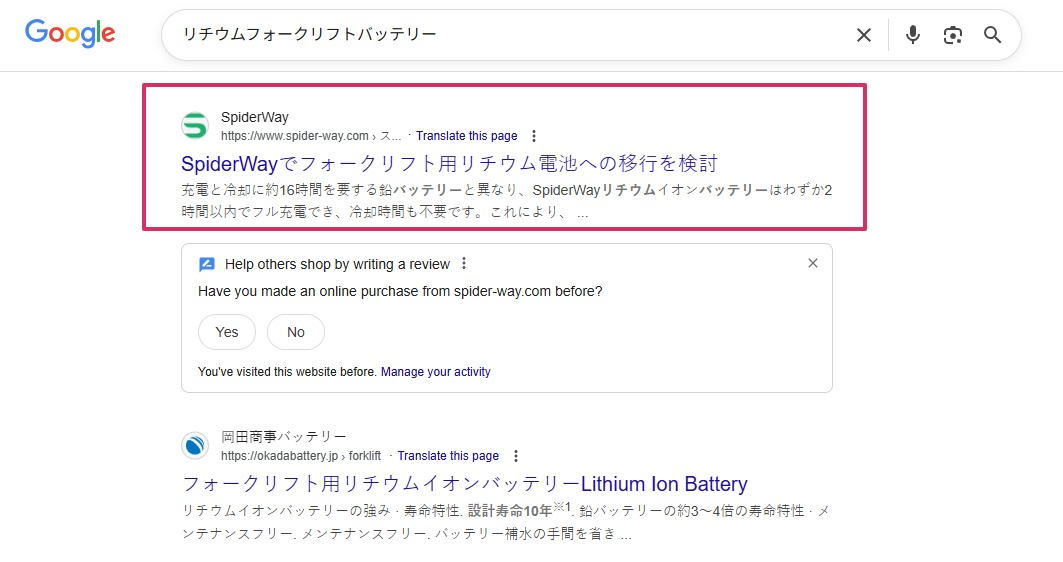
This allows your brand to dominate niche SERPs more efficiently. 🔍
4. Expand Target Market Coverage Effortlessly
Every translation makes your website available to a new segment of global users. A multilingual website:
- Reaches customers who don’t search in English
- Supports localization initiatives
- Demonstrates global professionalism
- Enhances international brand image
For companies in eCommerce, SaaS, or B2B manufacturing, multilingual content is often a requirement—not a luxury. 🌐
5. Acquire High-Value Customers from Small-Language Markets
Small-language markets are often underserved, yet they contain highly targeted users with strong purchase intent. By offering translated content, you can:
- Capture long-tail keywords most competitors ignore
- Build authority in languages where few global brands invest
- Increase organic leads without increasing competition
- Improve conversion rates from niche regions
These markets often generate the most cost-effective SEO returns. 🎯
SEO Best Practices for Multilingual Websites
To maximize search performance, implement these technical enhancements:
- Use hreflang tags to help Google identify language versions
- Avoid auto-translate; ensure human-edited or AI-enhanced translation for accuracy
- Create unique URLs (e.g., /en/, /de/, /fr/)
- Localize metadata (titles, descriptions, H1, alt attributes)
- Optimize for local search habits and regional keyword variations
- Ensure fast hosting/CDN performance across regions
A multilingual site is not only about translation—it’s about localization + SEO integration. 🚀
In other words, translation work should be carried out after SEO efforts are fully optimized. Since SEO keywords, titles, descriptions, tags, and other elements require simultaneous multilingual translation, you should typically begin by learning SEO techniques, complete your SEO optimization, and then return to undertake the multilingual translation tasks.
Start learning the SEO System Course today, created by a 20-year SEO expert:

Conclusion
Translating your website into multiple languages is one of the most powerful, scalable ways to grow global traffic. It enhances user experience, increases indexed pages, reduces keyword competition, expands your market reach, and enables you to acquire valuable small-language customers. When combined with SEO best practices, multilingual content becomes a strategic asset that drives sustained organic growth.
Author Profile

- Freely.work Founder,15 years as a freelancer/digital nomad.Marketing consultant for Fortune Global 500 companies, digital marketing expert.
Latest entries
 December 17, 2025Mastering Google Search Console (GSC)
 December 16, 2025Yoast SEO Plugin: Overview, Benefits, and Installation Guide
 December 16, 2025What Is an SEO Plugin?
 December 2, 2025Adding Variable Products with Multiple Configurations